
Home›Blog›Slip & Fall / Premises
Alligator attack in Valrico Florida
In This Article
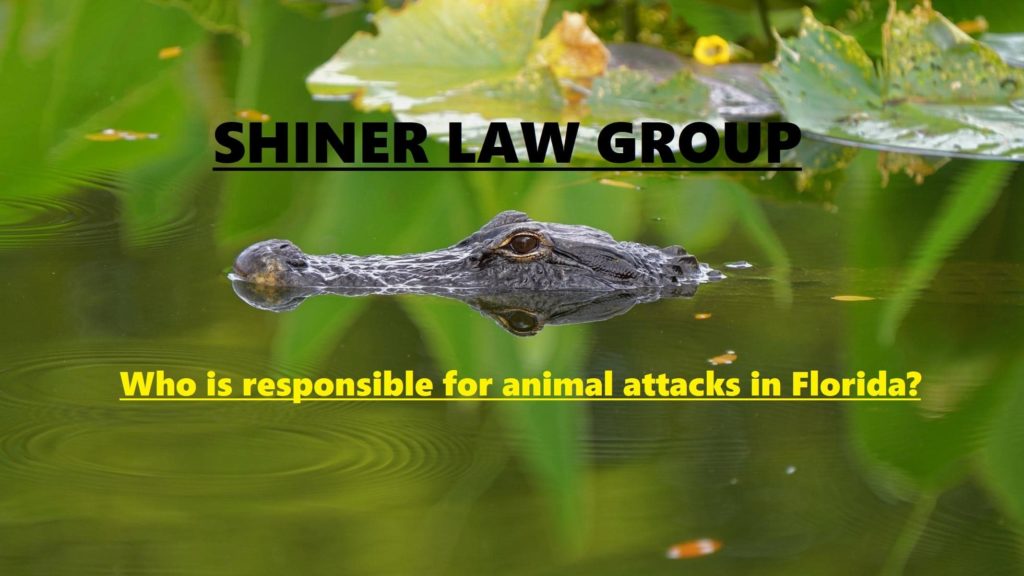
Sadly, over the July 4th holiday weekend a young woman went swimming in a retention pond in Valrico, Florida which is located in Hillsborough County. While she was swimming, she was attacked and tragically killed by an Alligator.
What To Know About Alligators in Florida
If you are a Floridian, or frankly anyone who is familiar with the Southeastern United States, you should know that alligators live in most waterways.
- Alligators, and other dangerous animals, live in retention ponds, community lakes, wetlands, canals, and other public waters.
- In this particular case, it was well known by many that alligators were in the pond. However, even with this knowledge, this young lady was known to frequently swim in the pond.
- As a result of this tragic incident, Florida Wildlife Conservation Commission is responding to the incident and plans on removing and/or eliminating the alligator through local animal trappers.
- Although rare, alligator attacks do occur, especially during the breeding season and when the female alligators are laying eggs and nesting.
Generally, pursuant to Florida law, the owner or lessor or manager of a property is responsible for maintaining a property in a reasonable condition that is hazard-free. In most cases, this duty is focused on injuries people sustain from trip and falls, slip and falls. However, Florida law does also impugn liability on a property owner to protect invited people to their property from known dangers; failure to warn and/or provide protection may create liability if an injury results as a result of negligent maintenance, etc.

Florida Law And Property Owner’s Liability
When it comes to wild animals, Florida law differentiates as to a property owner’s liability and those laws are different than the rules for domestic animals such as dogs. In some cases, people often search for these answers by asking who is liable if someone was hurt by an animal on someone else’s property. To answer these questions you must first ask these questions.
First, if a person knowingly maintains a wild animal on their property then that person will be strictly liable for any harm or damage that wild animal causes; wild animals are treated like dangerous dogs that people understand are dangerous. That said, these rules only apply to individuals who purposefully keep wild animals on their property – which can include tigers, alligators, wild cats, snakes, etc.
However, strict liability generally does not apply if the owner of the property is not aware of the presence of wild animals or where they do not purposefully keep those wild animals. Interestingly, however, if wild animal incidents occurred previously on the owner’s property, then that owner may have an obligation to warn others.
Nevertheless, in the majority of cases the owners of property that merely has wild animals traverse the property is not liable for any animal attack under Florida law. But, if the property does know of dangerous animals – such as an apartment complex knowing of dangerous dogs, wild alligators, etc. – then that complex or homeowner’s association may have some responsibility to warn and/or remove the wild animals.

Personal Injury Attorney, David Shiner
Other Alligator Attacks
David Shiner, Managing partner was quoted in a USA Today article about an alligator attack at Disney World located in Orlando Florida. That case that occurred in Disney resulted in the death of a 2-year-old boy who was grabbed by an alligator at a Disney resort on their property. As quoted by in the USA Today article, Mr. Shiner stated that Disney “…didn’t own the alligator.” “But if they know people are going into these areas, Disney has a duty to warn them if they knew of the presence of alligators.”
Florida law does not require a landowner to anticipate the presence of alligators or other wild animals unless they own the wild animal or introduced it to the area. However, if they knew people are going into these areas, and they knew there was a presence of harmful wild animals, such as the alligator that was known to live in the pond, then they have a duty to warn them of the people of the alligators.
Contact The Shiner Law Group today
Reports indicate that alligators were known to be present at the pond, as previously mentioned above. If you or someone you know was injured on someone’s property by any animal, including farm animals or wild animals, please contact our personal injury attorneys to discuss your rights.
If you have been injured and are looking for a personal injury attorney near you, call the Shiner Law Group today at 561-777-7700 or schedule a no-cost evaluation.


About Shiner Law Group
David I. Shiner
Founding Attorney · Member, The Florida Bar
David Shiner has represented injury victims throughout Florida since 2002, and his firm has recovered more than $500 million for injured clients and their families. From seven offices across Florida, Shiner Law Group handles car, truck and motorcycle crashes, wrongful death, premises liability and other serious injury cases, every one on a no-fee-unless-we-win basis.
Meet David Shiner »Related Articles
Injured by a Dog That Never Bit You? Florida Law Is on Your Side
Florida's strict liability dog law covers more than bites. If a dog knocked you down, chased you, or caused your crash, the…

Legal Liability and Injuries Related to Bed Bugs
Learn about the legal responsibilities of hotels and motels in bed bug cases, the types of injuries caused by bed bugs, prevention…

Landscaping-Related Personal Injury Cases
We navigate the maze of obligations property owners face under premises liability law, focusing on understanding the legal obligations of property owners.
Have Questions About Your Case?
This article explains the law. An attorney can tell you what it means for you. Shiner Law Group has recovered more than $500 million for injured Floridians.
Call (561) 777-7700- Free, confidential consultation
- No fee unless we win
- Available 24/7
- Se habla español
Free Case Review
Confidential · No obligation · Available 24/7
This article is provided for general informational purposes only and does not constitute legal advice, nor does it create an attorney-client relationship. Laws change, and this article may not reflect the most current Florida law. Past results do not guarantee future outcomes. Attorneys at Shiner Law Group are Members of The Florida Bar. Attorney Advertising.